Constanța Casino – The Symbol of the City by the Sea
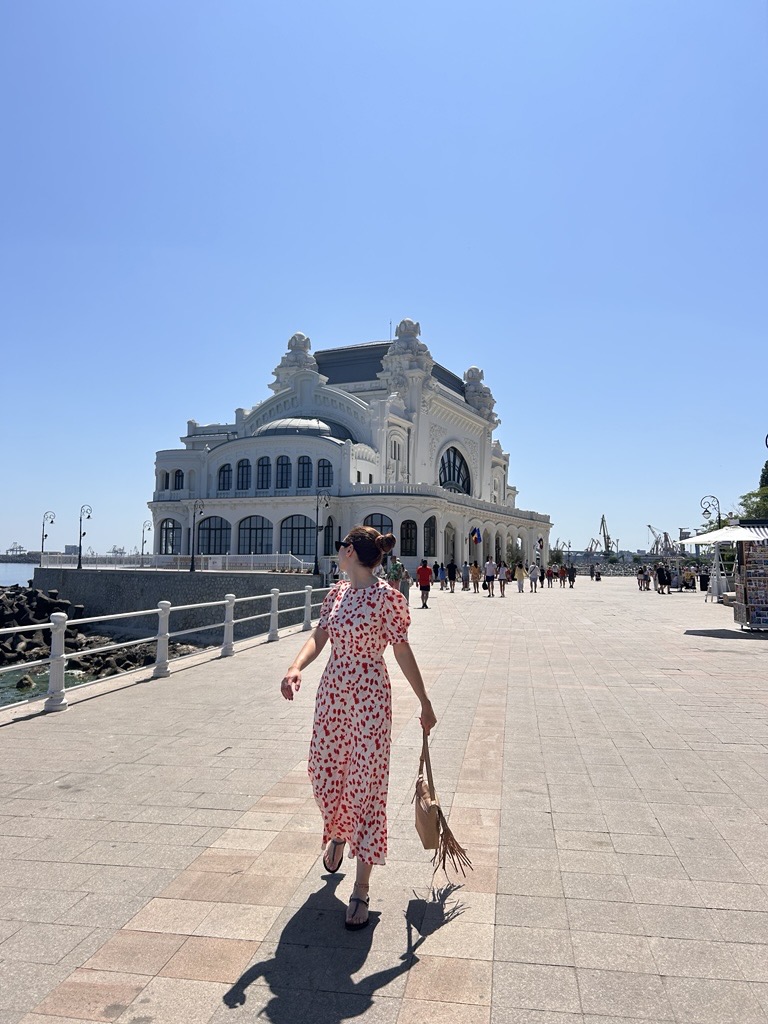
Constanța Casino is one of the city’s most famous tourist attractions and one of the architectural landmarks of the Romanian seaside. Located on the waterfront in the historic center, on Regina Elisabeta Boulevard, the Casino offers one of the most spectacular views of the Black Sea.
After a long period during which it was closed and underwent an extensive restoration process, Constanța Casino reopened its doors to the public on May 21, 2025.
Today, visiting the Casino means more than simply stopping by Constanța’s waterfront: it is an encounter with more than a century of history, architecture, and stories connected to the city on the Black Sea.
When was Constanța Casino Built?
The present-day Casino was built at the beginning of the 20th century and officially opened in 1910. However, its history began earlier, when a wooden building known as a “casino” stood on the same section of the waterfront. It was used for performances, balls, and the recreation of tourists.
After a powerful storm in the winter of 1901 severely damaged the old building, it was demolished. In April 1902, Mayor Alexandru Belcic decided to organize the construction of a new building, inspired by the grand casinos of Europe.
Who designed Constanța Casino?
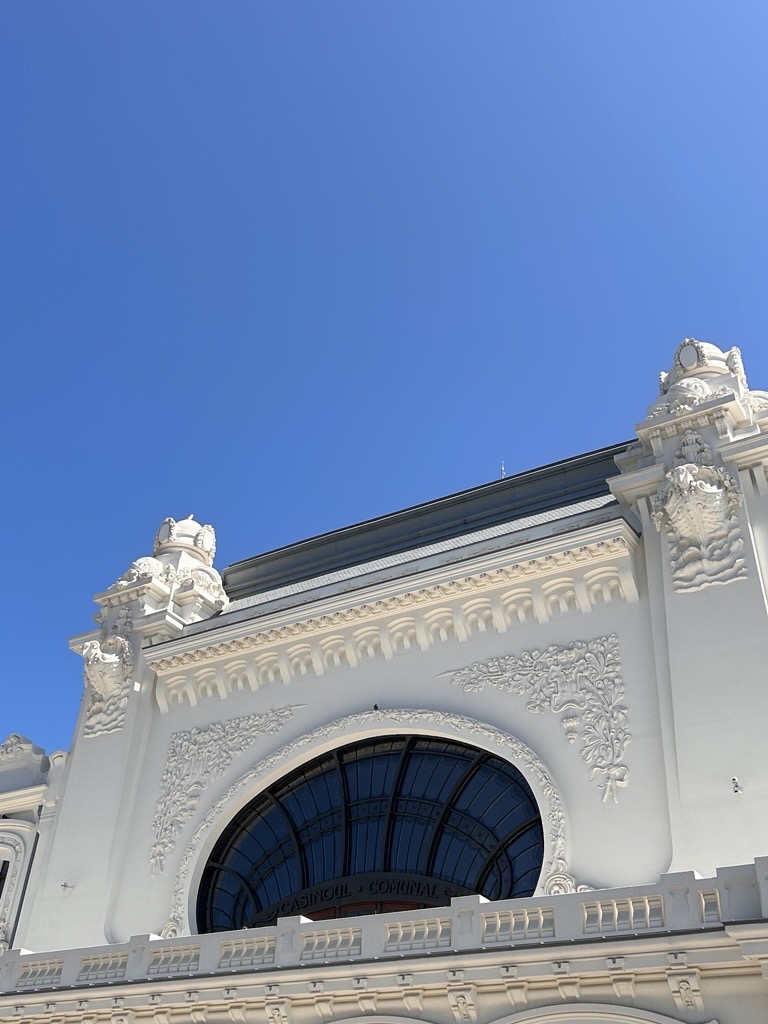
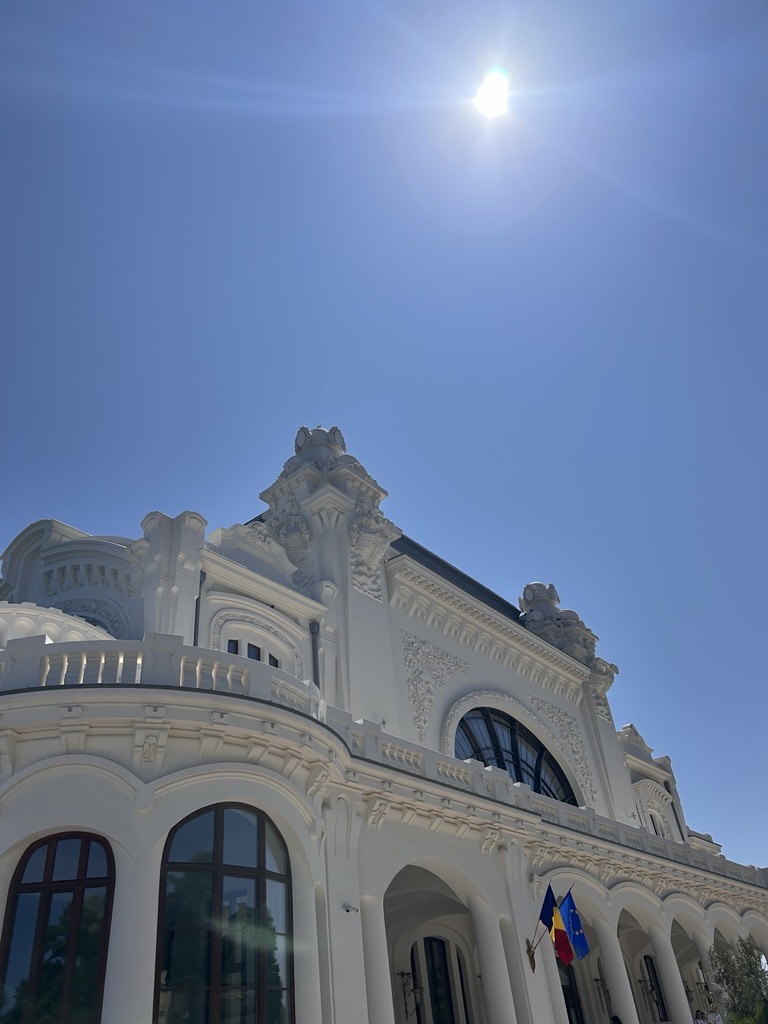
The architectural story of the Casino is a remarkable one. Petre Antonescu initially designed a project inspired by the traditions of Romanian architecture. The design was later modified by Daniel Renard, who gave the building a distinctly Art Nouveau character, a style that was gaining popularity at the beginning of the 20th century.
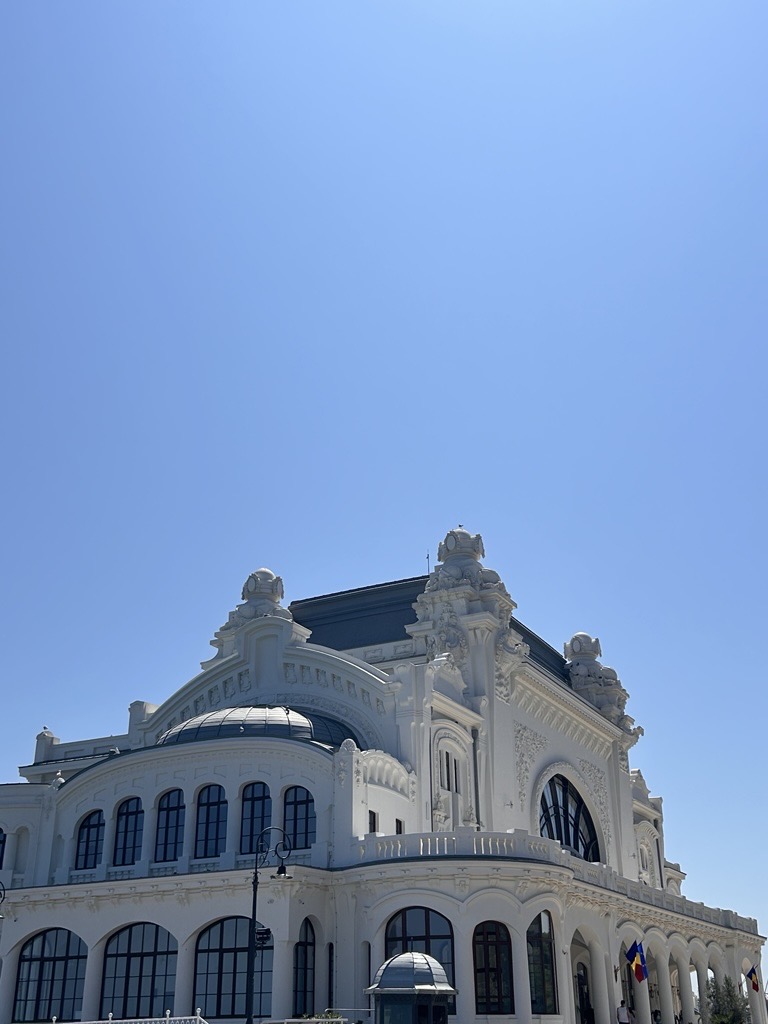
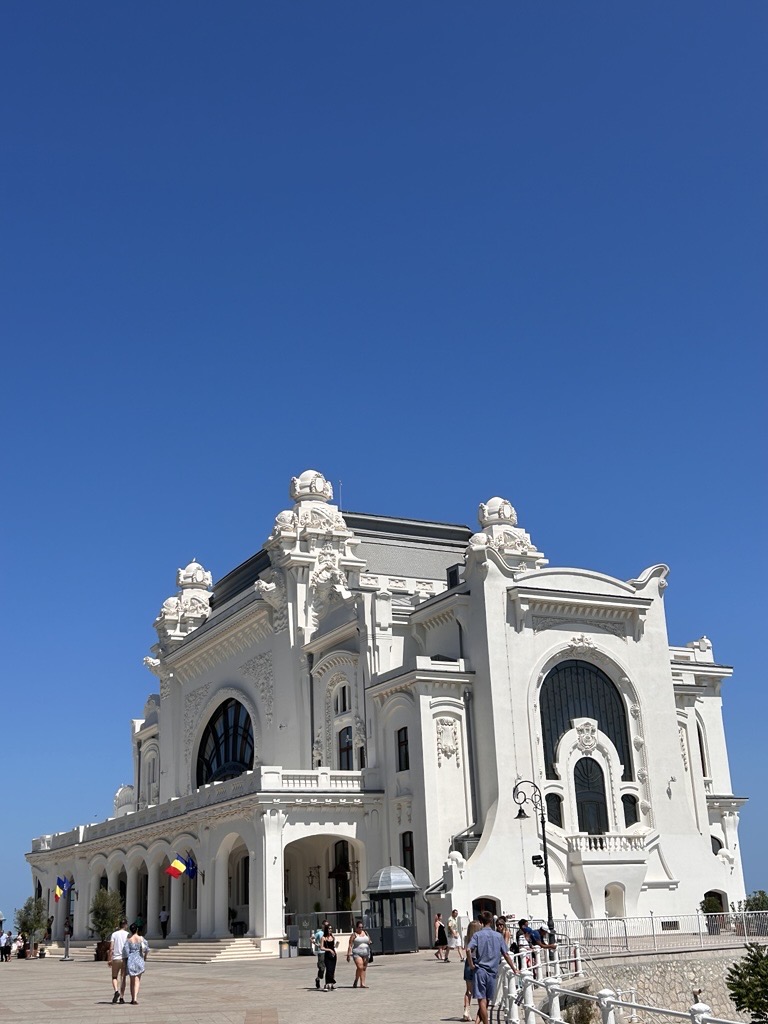
The result is the spectacular building we associate with Constanța today: ornamental forms, details inspired by the maritime world, and the famous shell-shaped motif, all incorporated into an architectural design with strong cosmopolitan influences.
The Casino was completed in 1910 and officially inaugurated that same year, in the presence of Prince Ferdinand.
More than a Casino: A Place of Elegance
In its early years, the Casino was much more than a place dedicated to gambling. The building featured a ballroom, reading rooms, gaming rooms, and a sea-facing terrace, quickly becoming one of Constanța’s important venues for social gatherings and entertainment.
Over the years, the building underwent several transformations. It was affected by both World Wars, including bombing raids, and was temporarily used as a field hospital. It subsequently went through several stages of renovation and restoration, including in 1934, 1951, and during the 1980s.
A lesser-known episode in its history is connected to the period after 1951, when the building was renovated with the help of political prisoners. Notes bearing names and sentences were hidden within the walls of the Casino and were discovered much later, during restoration works.
Constanța Casino Today: A new chapter for a city icon
The restoration has returned one of the city’s most important landmarks to Constanța. Today, the Casino serves as a cultural venue, hosting exhibitions and events while preserving the elements that tell its story of more than a century.
Visitors can explore the restored interiors, Art Nouveau details, stained-glass windows, marble, paintings, and ornamental features that have made this building an architectural landmark on the Black Sea coast.